What to do in a flood

Click on the cards below to view each section of information

Introduction To Flooding IMG1

Safety during a flood

Adopted

If you are about to be flooded

Preparing For Flooding IMG4

Vehicle and road safety during a flood

Floodgate

Property flood resilience

Threealerticons

Flood alerts and warnings

Preparing For Flooding IMG3

Local authority emergency planning

Highways

Reporting a flood

If there is an immediate danger to life, for instance someone is trapped in a flooded car or property, you must call 999.

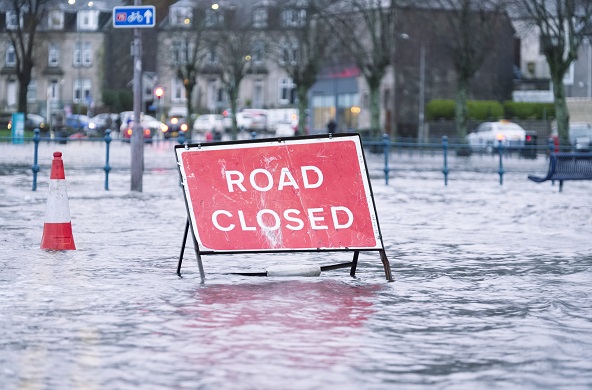
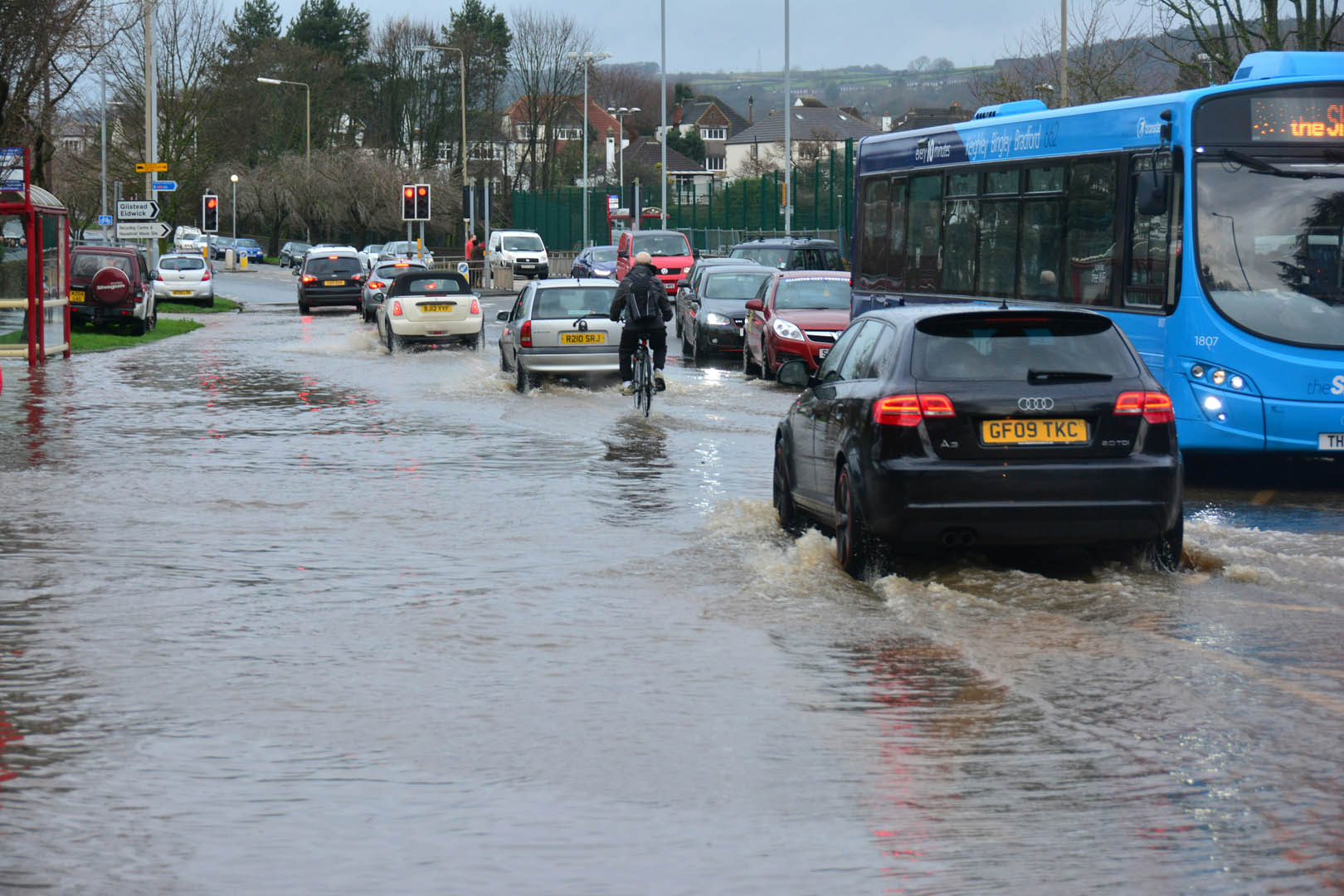
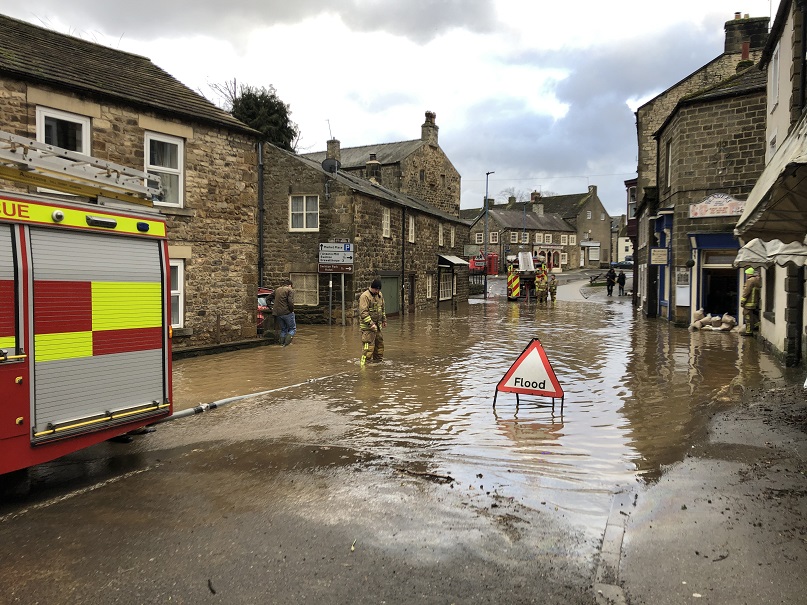
Avoid walking or driving through floodwater or fast-moving water. Shallow moving water can knock you off your feet and there could be unknown hazards that you are not able to see, such as lifted drain covers and open manholes, damaged road surfaces, or sharp or heavy debris that can cause result in injuries and fatalities.


80% of flood deaths occur in vehicles. Motorists should not attempt to drive through flooded road or fords, with as little as 30cm or 1 foot of fast-moving floodwater able to move cars and your vehicle may be swept away or left stranded. 


Never touch an electrical switch, electrical appliances or cables if you are standing in water. During and after a flood, your electrical supply and appliance can be dangerous. 


Serious injuries can occur with fallen power lines, especially around water and floodwater. Always assume that a fallen overhead line is live, do not take any risks and contact the National Grid (previously called Western Power Distribution) immediately.


Flood water can also contain dangerous chemicals and sewage. People with health conditions and pregnant women should avoid floodwater and flooded areas, and do not let children play in flood water as this can be unsafe and contaminated. Wash your hands if you have been in contact with flood water and wear gloves and rubber boots when dealing with affected property.


Follow advice from your local council or emergency services, as you may be asked to evacuate. If possible, make arrangements for your household to stay with family or friends in a safe area. Continue to monitor Met Office weather warnings and Environment Agency flood warnings, contacting the Floodline helpline if necessary, to know when it is safe to return to your property. More advice on what to do during an emergency for Staffordshire residents can be found on the Staffordshire Prepared website. 


Contact the Floodline helpline (open 24 hours a day, 7 days a week) for information on current Environment Agency flood warnings and alerts in your area, information on the flood warning service and advice on what to do before, during and after a flood
Telephone: 0345 988 1188
Textphone: 0345 602 6340


For more information on call charges, please see the "Call charges and phone numbers" link below.
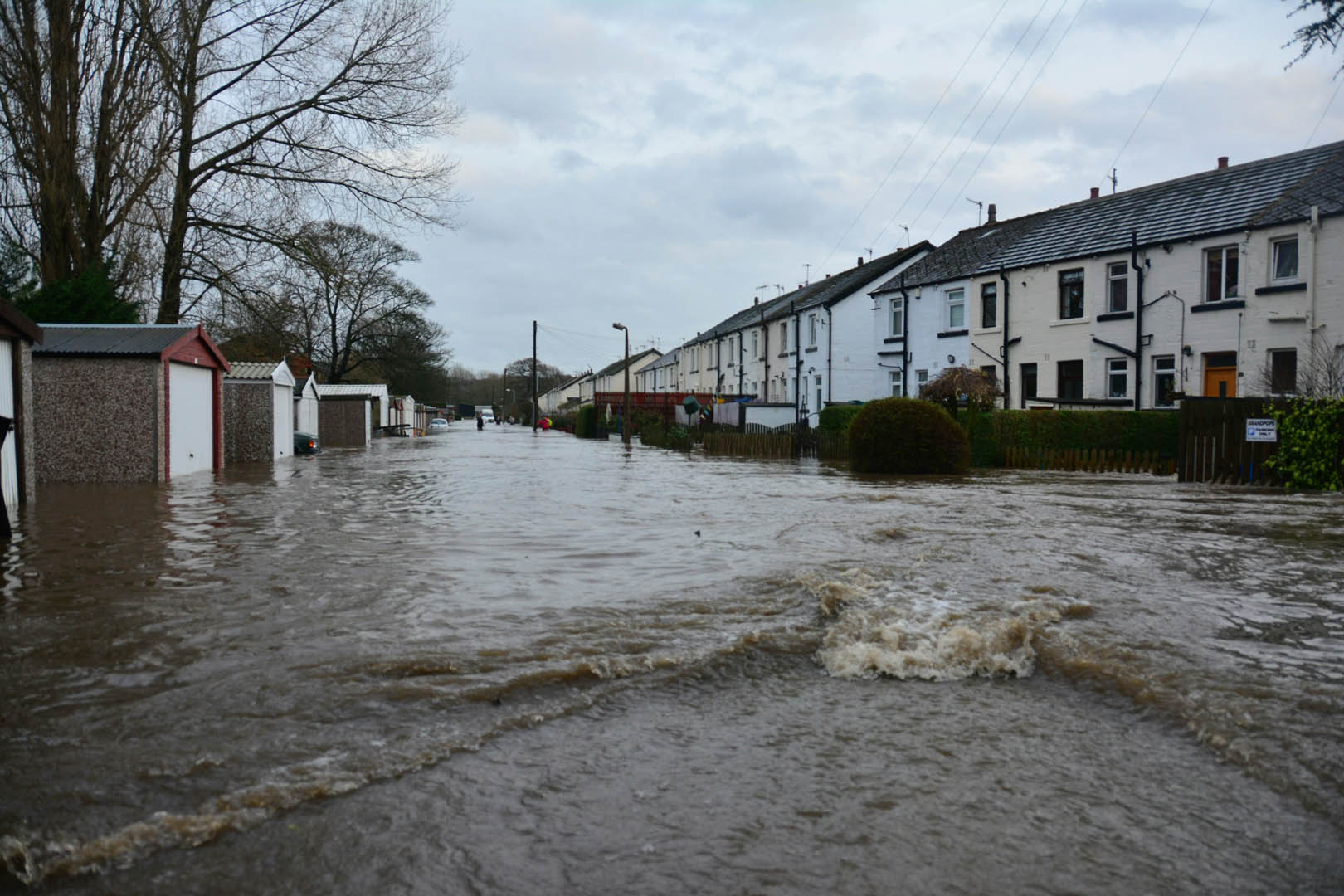
Focus on personal safety first

If a flood warning has been issued or flooding is expected you should turn off electricity, gas, and water supplies but only if it is safe to do so and it is not needed for essential health or safety equipment. Never touch an electrical switch if you are standing in water. 


Follow advice from your local council or emergency services, as you may be asked to evacuate. If possible, make arrangements for your household to stay with family or friends in a safe area. This should include a plan of action to know what to do with children and pets. Check on vulnerable and/or elderly members within your household, as well as neighbours if possible. 


If you have prepared a flood pack, make sure you have this with you in case you must evacuate your property. If you have not prepared a flood pack, make sure you collect any important medications or documents you need, for instance insurance documents, bank details and essential telephone numbers. 


Move your valuables (including sentimental items, electrical equipment, and if possible, furniture) upstairs or away from ground level and out of potential flooded areas. If you are sheltering in your property, make sure there is a safe means of escape. 
Continue to monitor Environment Agency flood warnings and Met Office weather warnings to know when it is safe to return to your property.


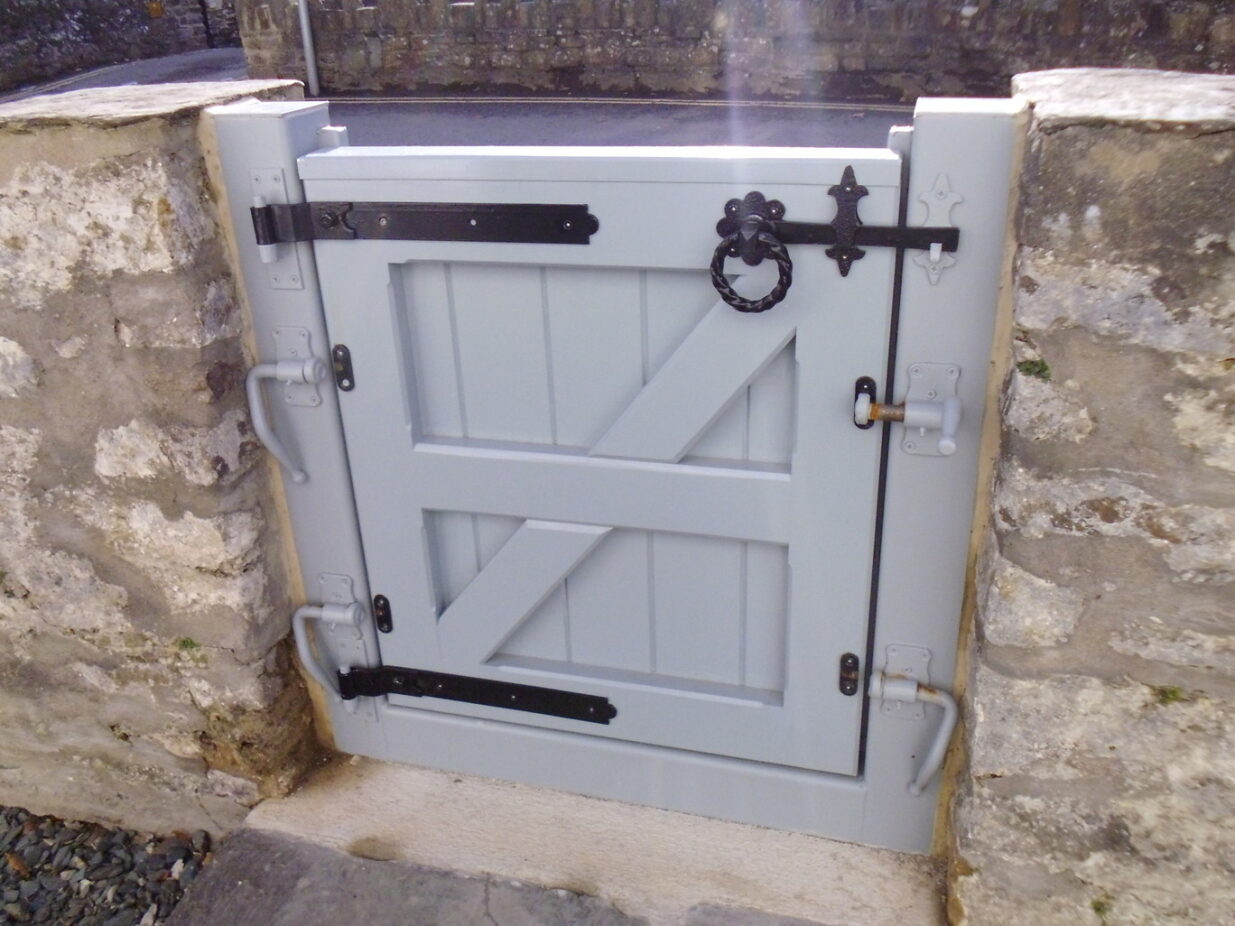
If you have other flood protection equipment, for instance a toilet bung, airbrick covers and/or a removable door barrier that need to be fitted prior to a flood, you should install these now. If it is safe to clear drains on or near your property, this can allow surface water to drain away and prevent it reaching your property. Never attempt to enter any watercourses to clear debris as fast flowing water and unknown hazards (for example floating debris) can cause serious injury including death, especially if trash screens and culverts are present within the watercourse. Move your car to higher ground if it is safe to do so. However, it is important that you avoid walking or driving through floodwater.


If it is safe to clear drains on or near your property, this can allow surface water to drain away and prevent it reaching your property. Move Shallow moving water can knock you off your feet and there could also be unknown hazards that you are not able to see, such as lifted drain covers and open manholes, damaged road surfaces, or sharp or heavy debris that can cause result in injuries and fatalities.

Flood water can also contain dangerous chemicals and sewage. Do not let children play in flood water as this can be unsafe and contaminated. Wash your hands if you have been in contact with flood water.

If you have Property Flood Resilience (PFR) measures that need to be installed prior to flood events, such as removable or temporary flood barriers, air brick covers or toilet bungs, these should be installed when a flood warning has been issued or if flooding is expected at your property. 


Sandbags are not issued by Lead Local Flood Authorities (LLFAs) or the Environment Agency in Staffordshire or the Black Country. Sandbags are of limited use at resisting water to protect properties and need to be disposed of properly once they come into contact with flood water as they can be contaminated. Sandbags may be used to divert water in some instances. 


Sandbag alternatives, such as HydroSnakes or FloodSax, are available but please follow the instructions carefully for how to use each product (which may differ) and how to dispose of these. The National Flood Forum, a charity to help, support and represent people at risk of flooding, has the Blue Pages – a directory of property flood products to advise and inform residents of what is available to reduce the risk of flooding to your home or business.

 
There are additional, low-cost things you can do to reduce the impact of flooding on your property, such as putting plugs into sinks and baths and weigh these down to prevent water coming up drains and entering properties. Flood Mary by Mary Long-Dhonau OBE also offers support and advice on some inexpensive and practical solutions that can help reduce damage during a flood. Some examples include: 
•    Fitting waterproof tape, which sticks to damp surfaces, to tape-up the cracks around and under your external doors to just under a metre (available from most hardware or DIY stores).
•    Use the waterproof tape to also cover your external air bricks.
•    Make sure gaps in brickwork, for instance where your wastewater pipes come through, are sealed with silicone sealer.
•    Put old wellington boots or plastic bottles with the top cut off onto table legs and pile your belongings on top of the table.
•    If you have any bricks or blocks lying around in your garden, put them in a plastic bag (so they don’t deposit more dirt into the flood water) and put them under your furniture to lift it out of harms way.
•    If you have any decorators trestles, lift your sofas onto them and pile more belongings on top if it feels stable enough.

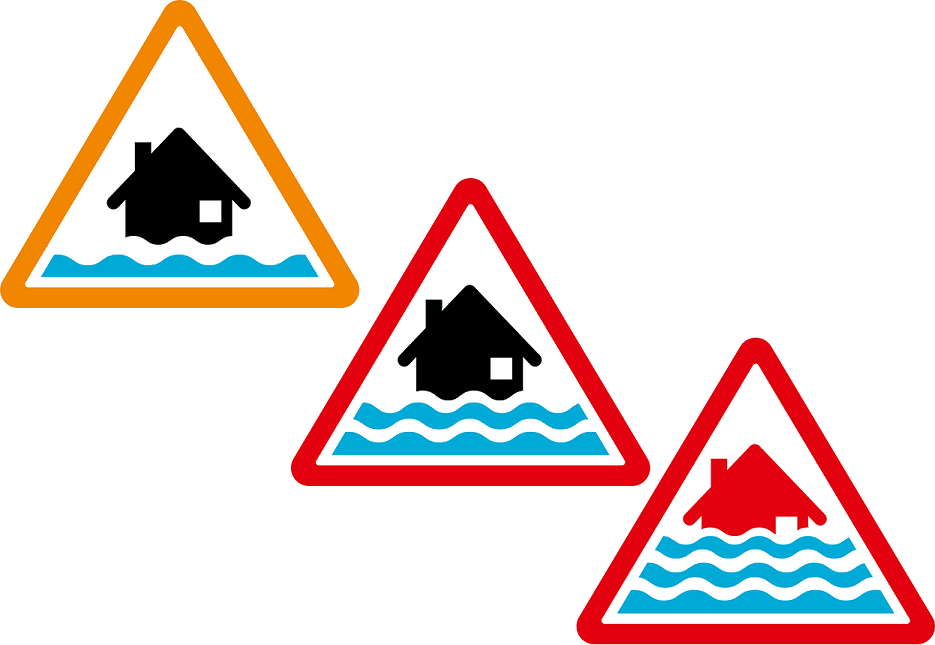
The Environment Agency issues flood alerts, flood warnings and severe flood warnings for main rivers, seas or groundwater. Each flood warning has suggested actions from the Government that are explained below. If you have received a flood alert, flood warning or severe flood warning you should follow the guidance provided.

There are no Government or Environment Agency flood warnings or alerts for surface water flooding.

icon_flood_alert

Flood alert

A flood alert means that flooding is possible, and you should prepare. You should:

  • Keep up to date with flood alerts and warnings by signing up and checking these.
  • Prepare a flood pack that includes medicines and insurance documents, and have this ready in case you must leave your home.
  • Check that you know how to, and are safely able to, turn off your gas, electricity and water supplies.
icon_flood_warning

Flood warning

A flood warning means that flooding is expected, and you should act. You should follow the previous flood alert actions and:

  • Turn off gas, water, and electricity if it is safe to do so. Never touch an electrical switch if you are standing in water. 
  • Move your things upstairs or to safety.
  • Move your family and pets to safety.
  • Move your car to high ground if it is safe to do so.
  • If you have Property Flood Resilience measures that need to be installed, such as flood barriers, air brick covers, or toilet bungs, these should be used now.
icon_severe_flood_warning

Severe flood warning

A severe flood warning means that there is a danger to life, and you must act now.

  • Call 999 if you are in immediate danger.
  • Follow advice from emergency services and evacuate if you have been told to.
  • Make sure you have your flood pack.
  • Avoid driving or walking through floodwater.
  • Alert neighbours and offer help if it safe and you are able to do so.
  • Keep your family and pets safe and away from floodwater.

Local authorities have responsibilities for major incidents and emergencies as part of their emergency planning duties. If you need help with finding a rest centre or temporary housing, you will need to contact your relevant local authority. 

Please note this will not trigger an emergency response. If there is an immediate danger to life, for instance is someone is trapped in a flooded car or property, call 999.

To report a flood to the relevant Risk Management Authority, please see the important contacts on our Reporting a Flood page.